

The exchange of currency for goods and services at Chuck E. Cheese - as seen from a 2 year old's perspective.
The order of operations is rife with rules created merely for convenience. When teaching these to kids, it's clear how they see it as a stupid arbitrary rule. Because often it is!
Get this FREE ePacket to help your kids think about how numbers, arithmetic and fractions all got invented!
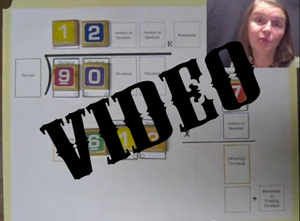
My invented and fun method of doing, teaching and/or learning long division. I used the Sumology game from Simply Fun, too!
In response to a parents report, I "invented" a method of long division while driving home.
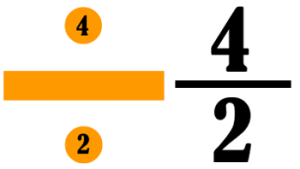
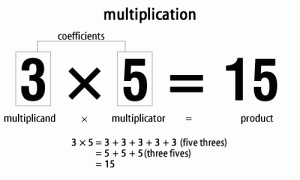
Last week's article on the order of operations included a quick mention that division is the same as multiplication - but different. Now's the time to explain that a bit.
Next in the series explaining the order of operations is this discussion on the relation of exponents, addition and multiplication and how to remember the order of operations... the natural way!
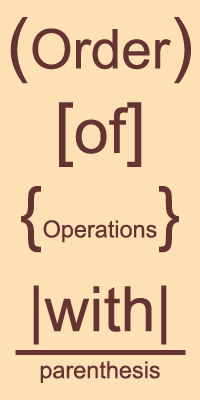
We continue the series explaining the order of operations with a discussion on parenthesis and all the various meanings of this word. You'll be surprised as to what it can mean!
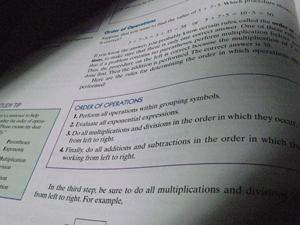
Part 1 in the series. The order of operations is a set of rules - like the drivers' handbook for math. If everyone follows the rules, we'll all be safe. But if someone makes a bad turn, we could be looking at a crash.
Some people believe that math facts shouldn't be memorized. Here are two reasons they should.
The exchange of currency for goods and services at Chuck E. Cheese - as seen from a 2 year old's perspective.
The order of operations is rife with rules created merely for convenience. When teaching these to kids, it's clear how they see it as a stupid arbitrary rule. Because often it is!
Get this FREE ePacket to help your kids think about how numbers, arithmetic and fractions all got invented!
My invented and fun method of doing, teaching and/or learning long division. I used the Sumology game from Simply Fun, too!
In response to a parents report, I "invented" a method of long division while driving home.
Last week's article on the order of operations included a quick mention that division is the same as multiplication - but different. Now's the time to explain that a bit.
Next in the series explaining the order of operations is this discussion on the relation of exponents, addition and multiplication and how to remember the order of operations... the natural way!
We continue the series explaining the order of operations with a discussion on parenthesis and all the various meanings of this word. You'll be surprised as to what it can mean!
Part 1 in the series. The order of operations is a set of rules - like the drivers' handbook for math. If everyone follows the rules, we'll all be safe. But if someone makes a bad turn, we could be looking at a crash.
Some people believe that math facts shouldn't be memorized. Here are two reasons they should.
The exchange of currency for goods and services at Chuck E. Cheese - as seen from a 2 year old's perspective.
The order of operations is rife with rules created merely for convenience. When teaching these to kids, it's clear how they see it as a stupid arbitrary rule. Because often it is!
Get this FREE ePacket to help your kids think about how numbers, arithmetic and fractions all got invented!
My invented and fun method of doing, teaching and/or learning long division. I used the Sumology game from Simply Fun, too!
In response to a parents report, I "invented" a method of long division while driving home.
Last week's article on the order of operations included a quick mention that division is the same as multiplication - but different. Now's the time to explain that a bit.
Next in the series explaining the order of operations is this discussion on the relation of exponents, addition and multiplication and how to remember the order of operations... the natural way!
We continue the series explaining the order of operations with a discussion on parenthesis and all the various meanings of this word. You'll be surprised as to what it can mean!
Part 1 in the series. The order of operations is a set of rules - like the drivers' handbook for math. If everyone follows the rules, we'll all be safe. But if someone makes a bad turn, we could be looking at a crash.
Some people believe that math facts shouldn't be memorized. Here are two reasons they should.
The exchange of currency for goods and services at Chuck E. Cheese - as seen from a 2 year old's perspective.
The order of operations is rife with rules created merely for convenience. When teaching these to kids, it's clear how they see it as a stupid arbitrary rule. Because often it is!
Get this FREE ePacket to help your kids think about how numbers, arithmetic and fractions all got invented!
My invented and fun method of doing, teaching and/or learning long division. I used the Sumology game from Simply Fun, too!
In response to a parents report, I "invented" a method of long division while driving home.
Last week's article on the order of operations included a quick mention that division is the same as multiplication - but different. Now's the time to explain that a bit.
Next in the series explaining the order of operations is this discussion on the relation of exponents, addition and multiplication and how to remember the order of operations... the natural way!
We continue the series explaining the order of operations with a discussion on parenthesis and all the various meanings of this word. You'll be surprised as to what it can mean!
Part 1 in the series. The order of operations is a set of rules - like the drivers' handbook for math. If everyone follows the rules, we'll all be safe. But if someone makes a bad turn, we could be looking at a crash.
Some people believe that math facts shouldn't be memorized. Here are two reasons they should.