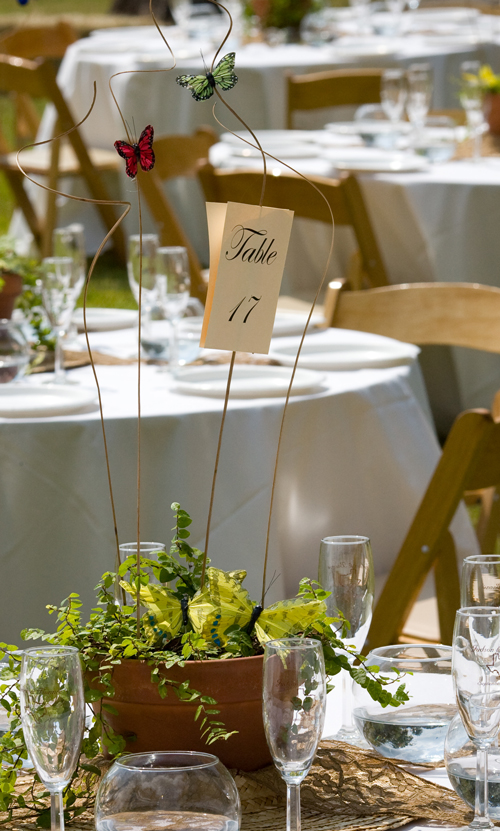
The bride wanted to have all the tables labeled with prime numbers. She used all the primes through 43. Each table was set for 10 people. How many guests could come to the wedding?
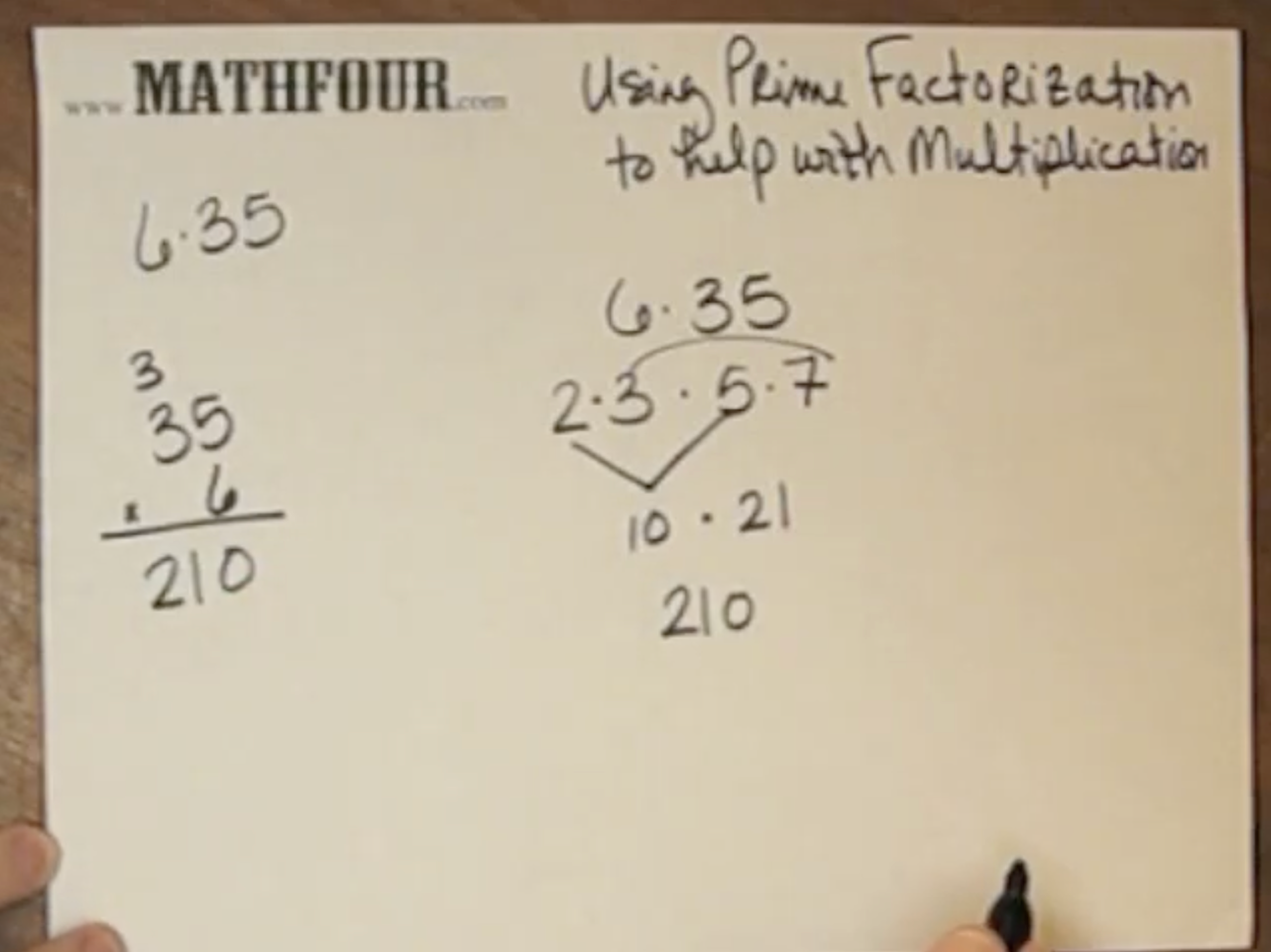
Alright, you might not win friends with this, but the more you can do arithmetic in your head… well… okay, you can’t influence people with it either. Regardless, it’s handy to know and helps with multiplication.
Here’s one that’s a little more challenging. The key is that you can combine the bits to something you’re more comfortable doing. I don’t like multiplying nines, so I avoid those.
Can you use this? Why or why not? Ha ha, just kidding – no essay questions here! – but if you do find a use for this, or if this annoys you, let me know in the comments.
Factoring is traditionally considered an “f-word” for students of math. But it sometimes has its good sides (which I’ll show over the next couple of days).
In the meantime, I’ll show the two ways (that I know) to factor numbers.
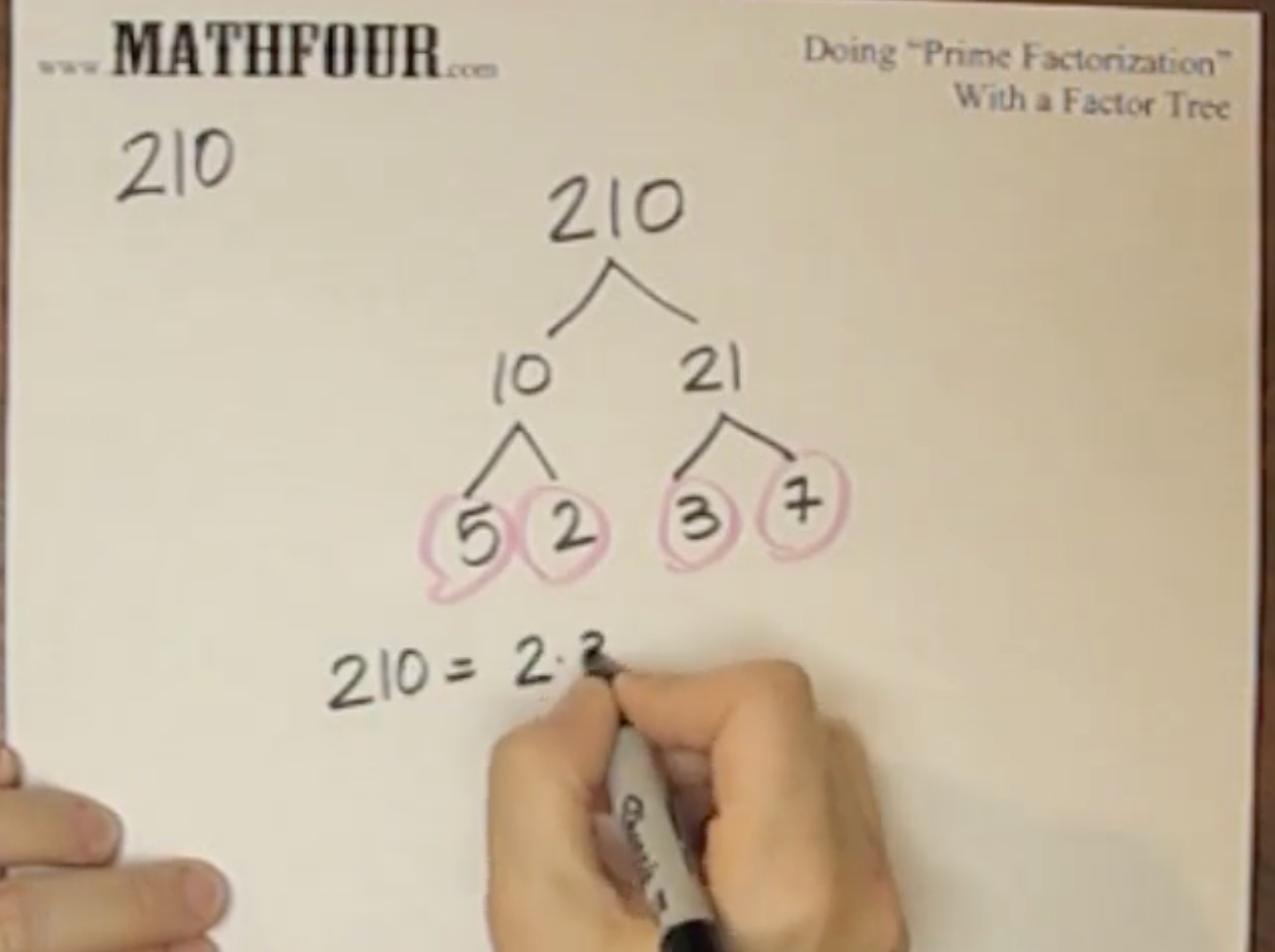
This method’s called a factor tree:
You don’t have to put the primes in order for it to be “right.” But it helps for later things.
Here’s another tree:
Here’s another way to factor using an upside division bar-type thing:
Remember, we don’t factor for the sake of factoring. This is only a tool to use when we do other stuff. You’ll see some of this in tomorrow’s post. Here’s one last example:
The way you factor is personal preference. Pick the one you like, or flip-flop. There’re no rules!
Share your preference (or a different way) in the comments!