Category: General

  • How a Math Teacher Can Change Lives

    How a Math Teacher Can Change Lives

    I was in the 4th grade. We were studying geometry. Mrs. Wilburn was the teacher.

    I read the definition of a square in the textbook:

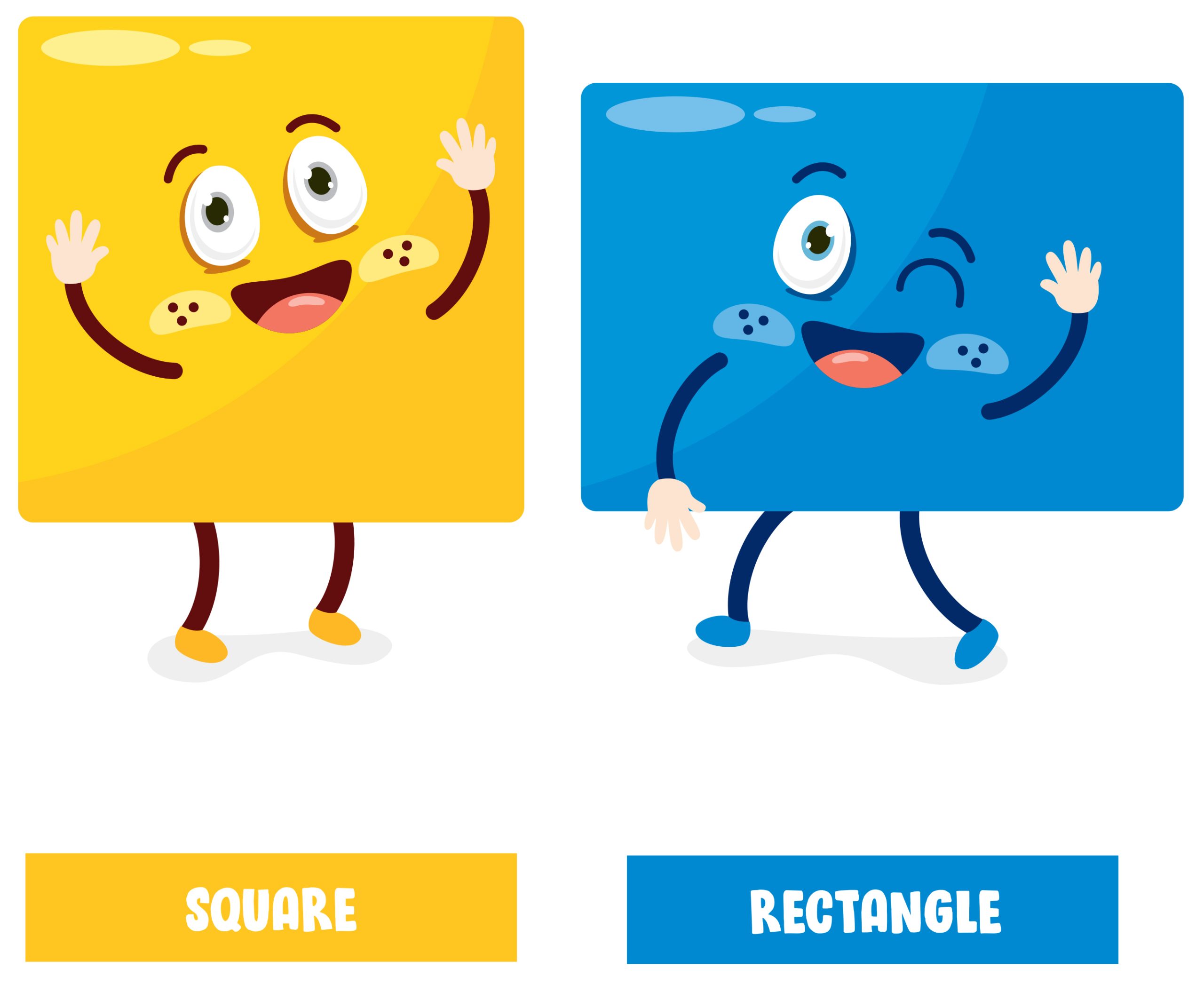
    A square is a polygon with four equal sides and four equal angles.

    I read the definition of a rectangle:

    A rectangle is a polygon with four sides and four equal angles.

    I thought, “Okay, then a square is also a rectangle.”
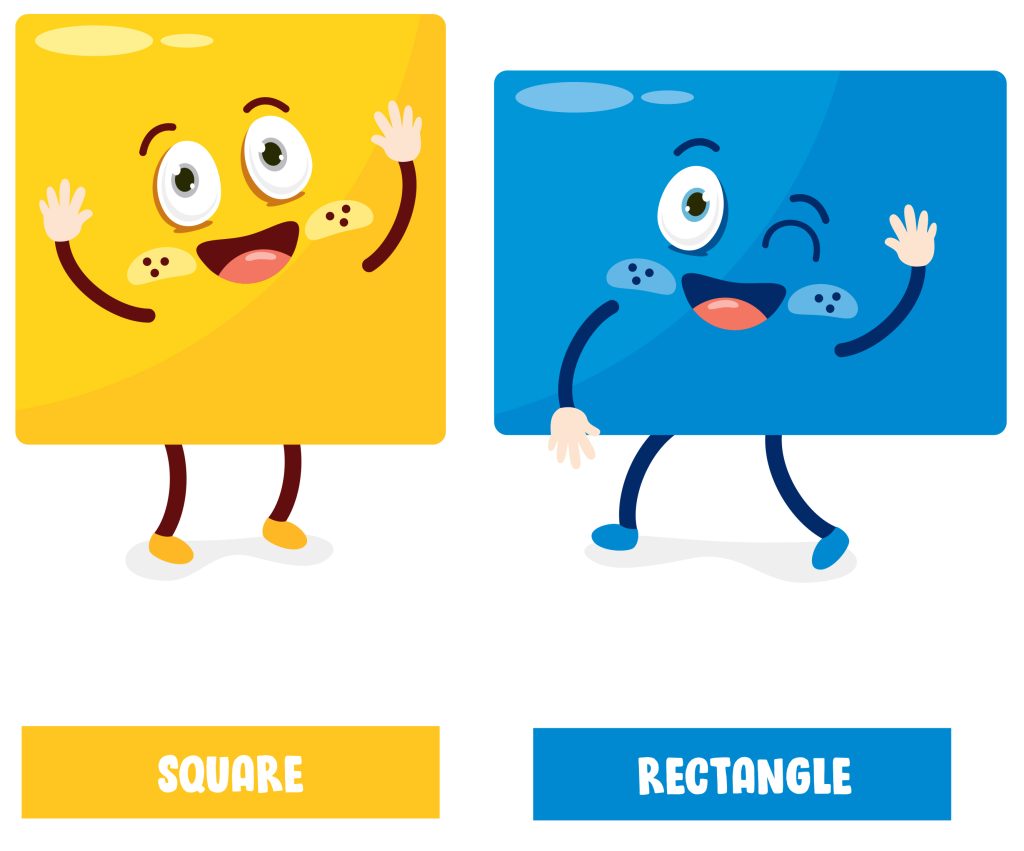
    Hoping to be validated and praised, I went to Mrs. Wilburn and asked, “So a square is also a rectangle, right?”

    “No,” she said, “a square is a square and a rectangle is a rectangle. A square is never a rectangle.”

    So I went back to my desk and read the definitions again. And I thought about it. And I read the definitions. I went back to her desk because now I was thoroughly weirded out.

    “But the book says that a rectangle has four sides and four equal angles. A square has four sides and four equal angles. So isn’t a square also a rectangle?”

    “No, a square has four equal sides and four equal angles. A square isn’t a rectangle.”

    This was the turning point in my math life.

    I had two choices:

    1. The blue pill: Believe Mrs. Wilburn and thus believe I wasn’t competent to do math because my logic was clearly faulty.
    2. The red pill: Believe myself and trust my logic.

    Swallowing the blue pill, choice 1, would mean that for the rest of my life I would hate math. I would say things like, “I’ve never been good at math,” and “I switched my major in college because what I really loved required too much math.”

    But if I took the red pill, it would mean that I would become a math vigilante. Regardless of the topic in math, I would know that I could figure it out no matter what anyone else said.

    I would believe and quote a favorite professor, Dr. Fitzgibbon (aka Fitz) when he said: “Once you realize we are all idiots, only then can you do math.”

    And I would start a math blog.

    I chose the red pill.

    I’ll put money on it that 90% of people have similar stories to tell.

    They might not have such outwardly facing results like a blog, but some do.

    They might not have become math vigilantes or math incompetents – these are the two ends of the spectrum. My extremist personality causes me to swing wildly and severely in one direction.

    But I’ll bet that anyone with a story like this, took a turn in their math learning.

    Teachers have an incredible power to affect students.

    With this power comes the responsibility to talk to our students. Really listen to them. And learn from them. It’s okay to be wrong. It’s okay to be confused. Our job is to facilitate learning, not know everything.

    We should welcome questioning. Welcome the alternate method. Welcome the new viewpoints.

    Remember, we’re all idiots – we all have to think, be confused and sort things out. Even the PhD math professors.

    The difference between a student and us is that we don’t let questions or confusion stop us from struggling through to the solution. Even if it’s a different solution that what we’re used to.

    Instill that confidence in your students and you’ll be successful in teaching them.

    What do you think? Join the discussion by commenting.

  • When to Give a Kid A Calculator

    When to Give a Kid A Calculator

    When we teach kids how to drive, we give them a few months in the classroom so they can learn the basics of driving and the rules of the road. Nobody in their right mind puts a teenager behind the wheel and says, while flying down the road, “Now, the brake pedal is the one on the left.”

    Not only is it safer, but it makes more sense to teach them outside of the car first. After they pass a competency test then they’re allowed to use the technology (car).

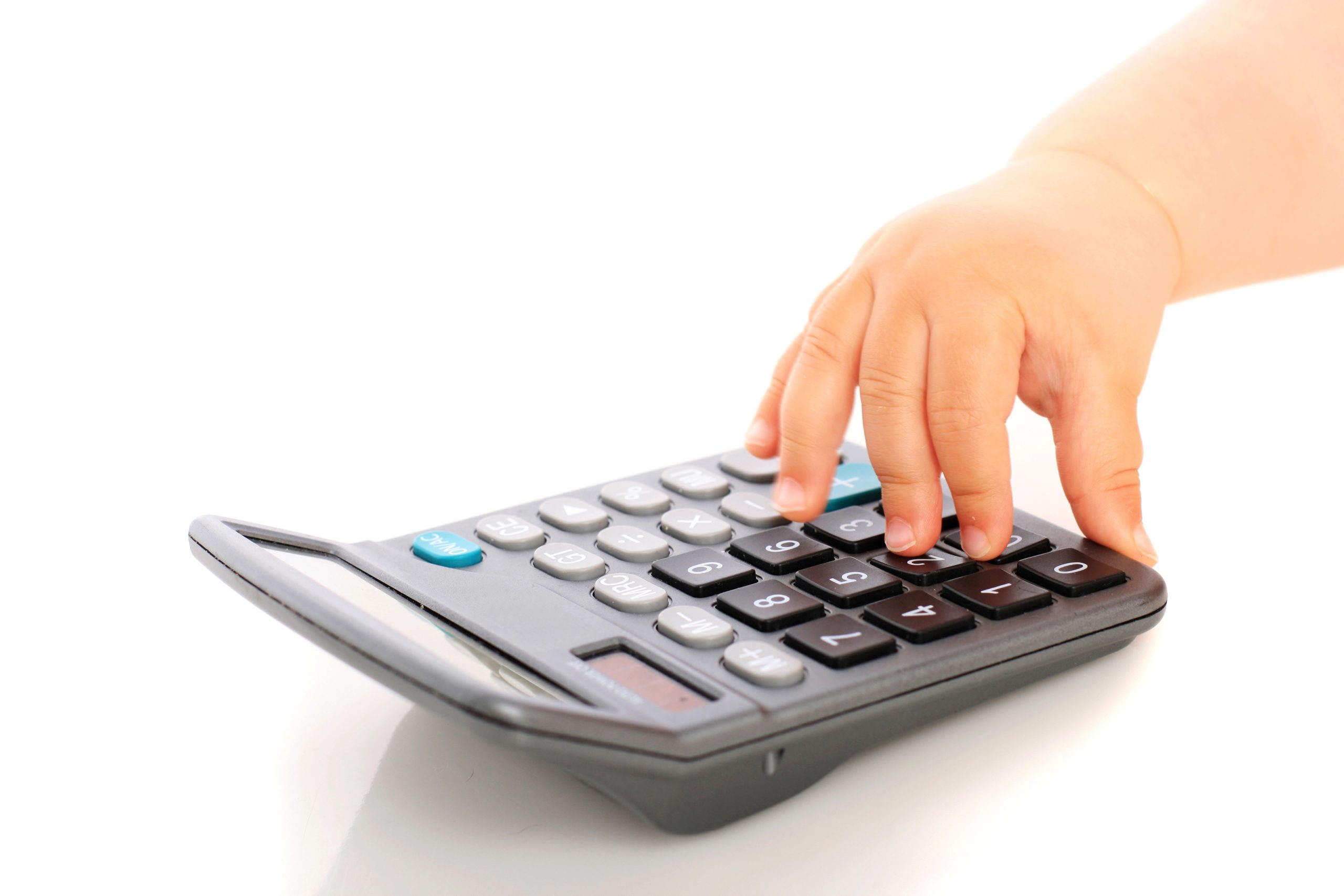
    We drop a calculator into the hands of teenagers and ask them to learn math at the same time. There isn’t a safety factor here, but the principle is the same.

    There’s a different challenge in learning which buttons to press than learning the reasons behind why you press those buttons. We bring technology into the classroom thinking we’re in service of the children, and instead do them a disservice. We double the concepts and think that one is helping the other. It isn’t.

    Begin by teaching user’s manuals.

    The use of a calculator, a program or web-based application can be easily taught by teaching children how to read a user’s manual or follow instructions. It’s a device, a tool.

    Before they start up their new John Deere riding lawnmower, they should read the user’s manual. Likewise, before they turn on their Hewlett-Packard 32sII, they should bend the spine of its little book.

    Math classes and home schools can incorporate user’s manual reading in their curriculum. It will prepare students to learn and understand technology, including calculators and applications.

    Introduce the calculator after they have mastered the concept.

    Teaching children to do math through calculator use can destroy their sense of confidence in doing it themselves and also make them uncomfortable with the tool. Allow them to fully understand an entire concept in mathematics before giving them technology.

    If you want them to learn to graph on a calculator, make sure they can do it with pencil and paper first. Allow a few years between the initial introduction of a concept and learning to make it work on a calculator. This should provide ample time for them to practice it and build their confidence that they can do it without the crutch.

    When they are ready, give them the user’s manual to the calculator. Have them do problems by hand on one side of their paper. Have them write the page numbers from the user’s manual and keystrokes for the calculator in a column next to it.

    When they have completed this, let them confirm their keystrokes are correct by doing it in the tool. This reinforces the connection between what they have learned, and can do on paper, with what’s being done in the machine.

    Do you give your kids a calculator to learn on? Will you continue to do so? Share your thoughts and ideas in the comments.

  • 1 Word to Eliminate from Your Teaching Vocabulary: Just

    1 Word to Eliminate from Your Teaching Vocabulary: Just

    Yep – that’s the word: “just.”

    That little devil does so much damage to a kid’s math-esteem. His cousin is also a bad guy: “all you have to do is…”

    It says to a kid, “It’s so easy, and… what? you can’t do it? GOSH!”

    Get rid of it. Let your students charge you a quarter every time you say or write either one.

    Say instead: “I find that doing this helps me…”

    Or: “How would you feel about doing it this way…?”

    If you find math easy, great. Give the kiddos a chance to work through the discovery process, too. And allow them to fail and struggle while supporting them. Just don’t say, “just.”

  • How to Know When a Kid is Confused

    How to Know When a Kid is Confused

    When Cassy over at Singapore Math Source commented on my post 7 Ways to Wrangle a Word Problem, it made me think.

    Her question to me was, “Why wouldn’t you just rewrite the problem to focus on the appropriate concept?” She suggested that having students restate the problem in their own words without numbers would have them demonstrate that they know what is being asked of them.

    Here is the original problem:

    The Beebo bird lives in two places in the world. Some live in Texas and some live in Greece. Greek Beebos are about 20 inches high and weigh around seven pounds. There are about thirty-nine thousand Greek Beebos. The total weight of all the beebos in the world is 500,000 pounds. How much do the Texas Beebos weigh altogether?

    Here is her suggested rewrite without numbers:

    There are only two types of Beebos in the world, Greek and Texan. I know the weight of one Greek Beebo and I know how many Greek Beebos there are in the world. I need to find out how much the Texan Beebos weigh altogether.

    On the outset, this seems great. If your kid does this:

    It’s more likely your student will do this (especially if they’re struggling or you’re a hired tutor):

    Notice the struggle and strain? And notice that both videos show the same thing – the “student” (me) just reading the problem and replacing the numbers with “I know how much…”

    Watch students carefully. Listen to their intonations, watch their faces, watch their bodies. Whether you’re in a classroom or one on one, watch! If they got it, you can see it. If their little foreheads are wrinkled and they are tense – stop. They don’t have it. They are guessing. Go back. Try something else.

    See? Let me know what you think in the comments.

  • 7 Real “How to Succeed in Math” Tips

    7 Real “How to Succeed in Math” Tips

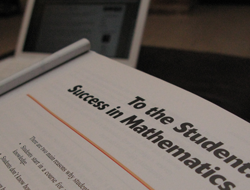
    I bought a handful of math texts at Half Price Books this weekend. I opened up a Basic Mathematics text and the first thing that caught my eye was the intro titled “To the Student: Success in Mathematics.”

    “Really?” thought I. As I read it, I grew more and more agitated.

    Have these folks spent any time inside a math classroom? Did they pay attention to the students? If so, they should know that the likelihood of a student to do what they suggested is downright ridiculous. So why do we tell students to do it? Why can’t we give them tips that they can and will do? Like these:

    1. If you feel comfortable asking questions in class, do it. If not, write your questions down to ask later. You don’t have to ask the instructor, especially if he or she is intimidating. Find a tutor or go to the school’s math lab instead. You don’t have to work with someone you’re uncomfortable with.
    2. Read the stuff inside the gray boxes. We know it’s likely you’ll not read the text, but the things inside the gray boxes are really helpful.
    3. Before you start on your homework assignment, do something physical or something you can do well. Run a mile, do a load of laundry or play tennis for a half hour. This will remind you of the things you are good at and get your endorphins flowing. It will help you be confident during your homework time.
    4. Absorb the lectures, don’t copy them. If you can do it, try to just watch. See how the teacher thinks through a problem. You will gain more from this than from frantically trying to copy everything.
    5. If you do take lecture notes, don’t dwell on notes that you can’t figure out. Many times you mis-copy or mis-write things the teacher wrote or said. If it doesn’t make sense, move on.
    6. Tear out the back of this book (the part with all the answers) and burn it. It is important that you build your confidence. Checking your work with the magical back of the book just gives you a crutch. And don’t use a calculator to “check your work.” That’s just another crutch.
    7. Do the first two problems in every section and subsection. If you can do those, do the last two. If you can do those too, continue to the next subsection. Math isn’t a spectator sport, but it isn’t an elliptical machine either. Do all the problems if you need the practice. And if you have it down, move on.

    Give it a shot. Let the students know that what they want to do is okay to do. Let’s quit giving them the B.S. that’s been passed down to us over the last few decades. It’s time to go Math Book 2.0.

    Whatcha think? What’d I miss? Let me know in the comments.