-
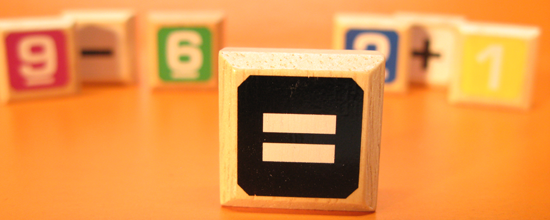
Equality and Comparison: Introduction
Ready for a crazy ride through the concepts of equality, inequality and other comparisons? Jump into this series – and keep your hands and feet inside the ride at all times!
-
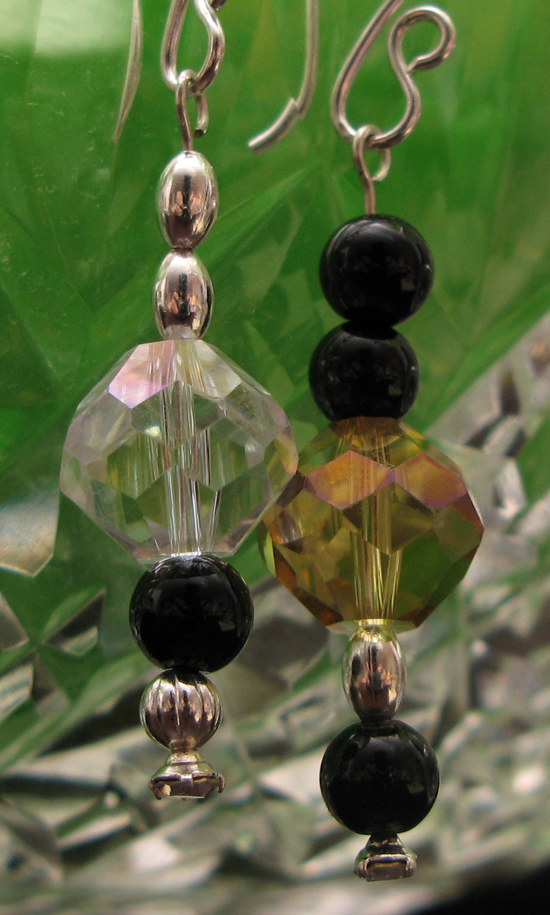
Math Crafts: Probability Earrings
Want to get your homeschool teenager to do probability? Try heading to the bead shop first. This video shows probability in action with a beautiful end result.
-
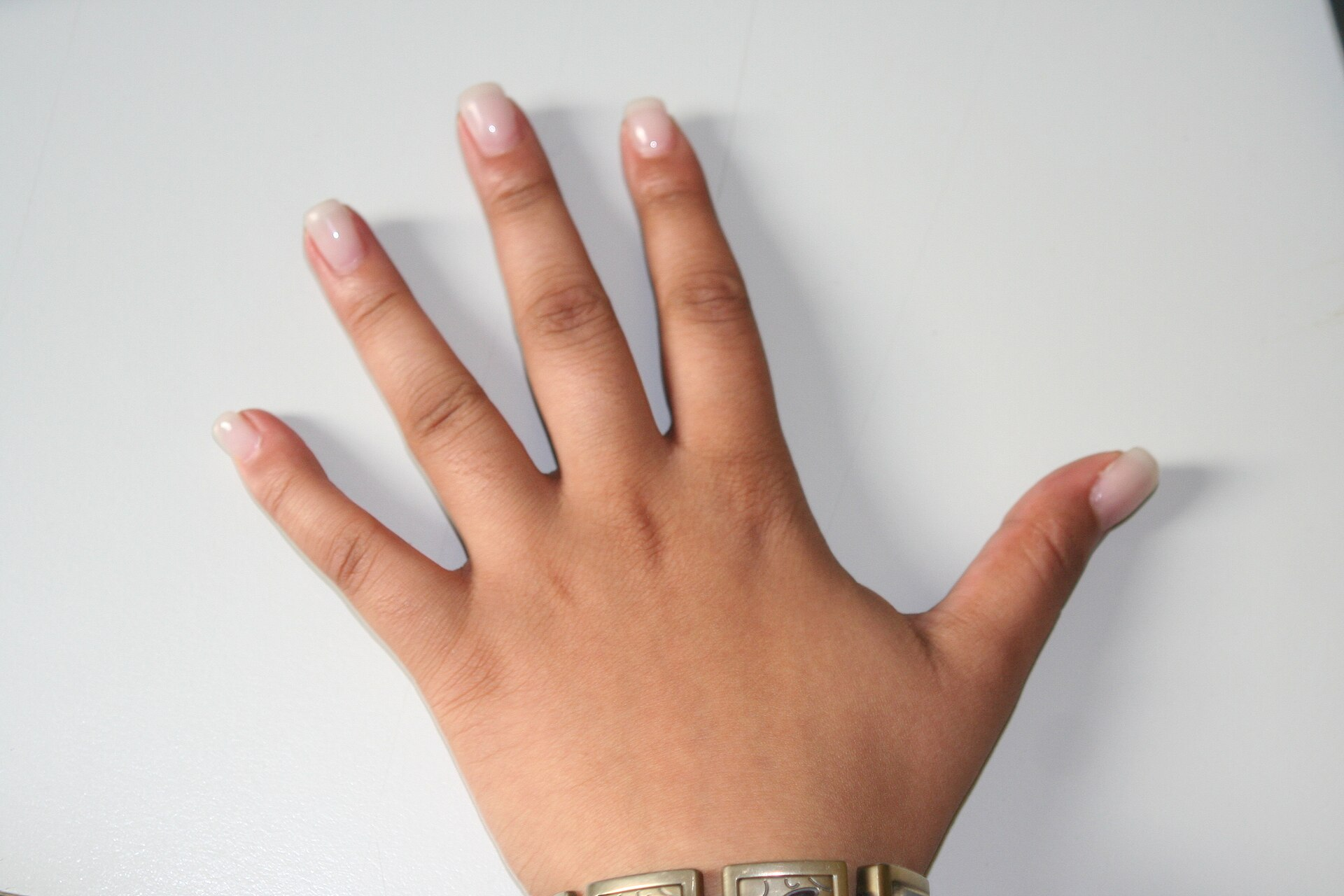
How to Use the Senses in Teaching Math
The co-host of #HSMath, Beth McKeon of Bright Brain Studio, shares some tips on integrating kinesthetic techniques and a see-say-feel approach to learning math facts. Alas, she’s still working on the Scratch-n-Sniff version…
-
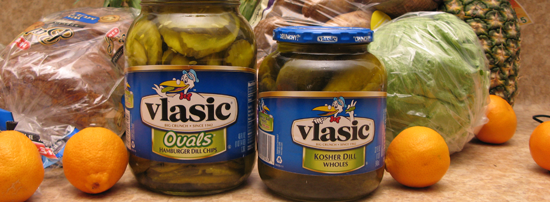
Teaching Geometry with Pickles
Another place to see geometry in action – Vlasic has segmented pickles (like cylinders) into ovals (like ellipses)!
-

Unrecognized Math Conversations
I saw two bright women have an entertaining conversation about math. And the one with a strong math background didn’t even recognize it!
-
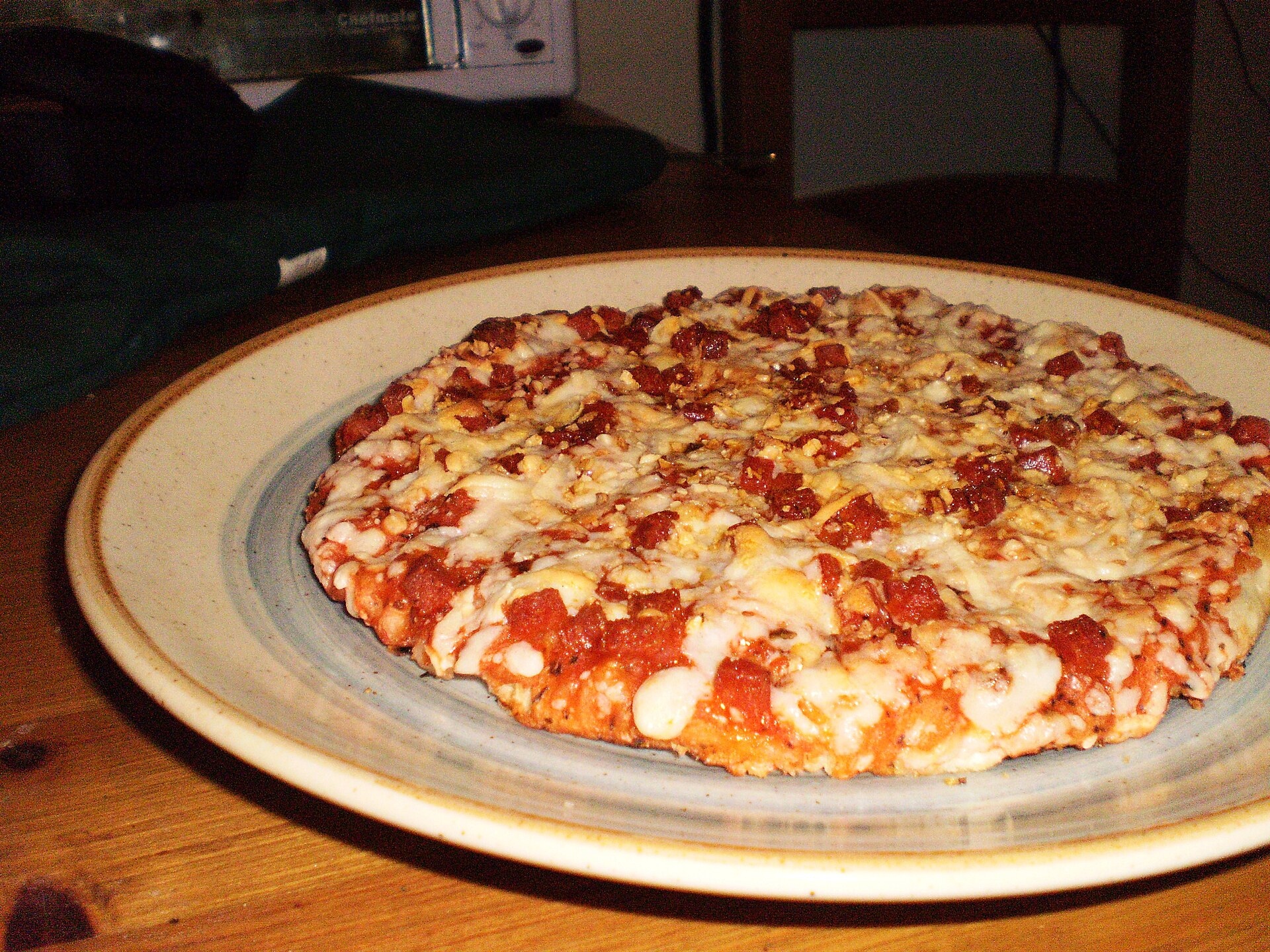
“Let’s NOT divide the pizza equally” – A Hard Lesson in Fractions
This is one of my favorite (and first) math “tutoring” stories. It has a great ending, for me. The biggest fraction of the pizza came my way!
-

Mathematician Parent: Jennifer Wilson
Mom of 6 and 9 year old daughters, Jennifer Wilson is a high school super-tech math teacher. Here she shares her thoughts on math in parenting.
-
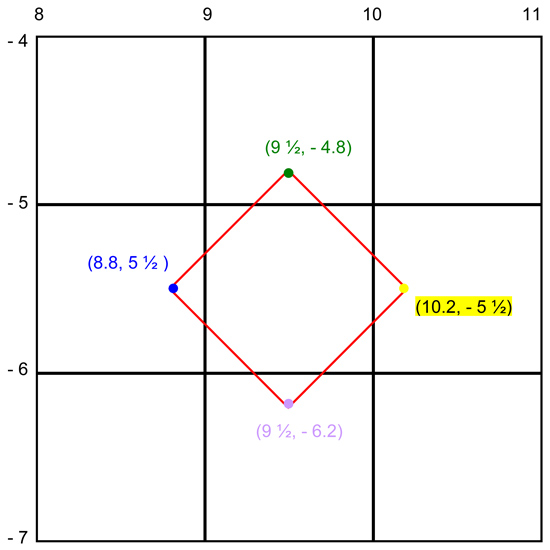
Cuisenaire Rods Go Pythagorean!
Cuisenaire Rods can be used for all sorts of things – including teaching some Pythagorean Theorem goodies using right triangles and squares!
-
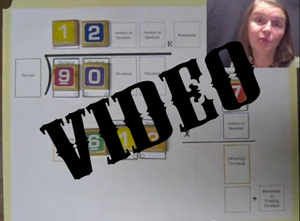
Long Division with Sumology Number Tiles
My invented and fun method of doing, teaching and/or learning long division. I used the Sumology game from Simply Fun, too!
-
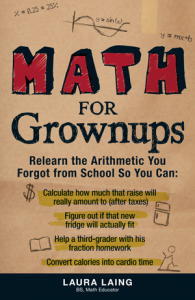
The Math of Parenting
If you’re a parent, you do math. This guest article by Laura Laing of MathForGrownups.com shows just how math is all over your world!

About MathFour.com


I’m Bon Crowder and the photos above are both of me – in 1989 and today. I’m a Generation X mom of Generation Z kids. I began peer tutoring in high school in 1984.
MathFour.com is the “today” version of me helping peers be comfortable in math. If you’re a Gen-X parent, you’re in the right place!
Wanna connect? Give me a call at 713-557-8048.