-

A Teacher Remembers 9/11
Ten years ago today I learned about kids. Not that I didn’t know anything about them before. But I learned a great deal in one day because of the horror that took the U.S.
-
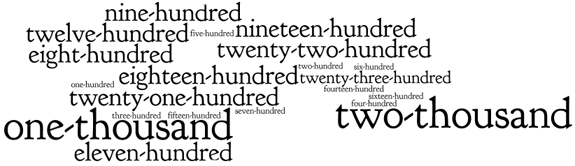
Counting with Big Numbers
In English, the number 1600 is pronounced two ways. I remembered how difficult this can be to kids when I had to teach it to an ESL adult.
-
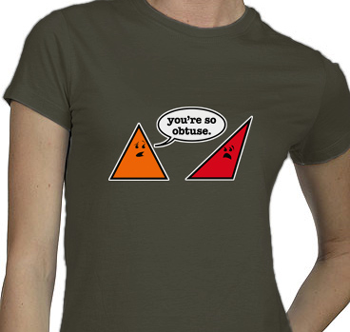
Back to School Math Clothes
Why should children have all the fun of back-to-school clothes shopping? Do a little shopping of your own. And of course, buy math clothes!
-
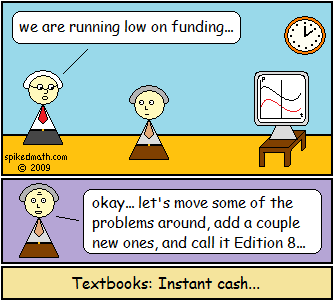
The Math Textbook Game
Yesterday I mentioned how textbooks created the first flipped classroom by playing games with the content for profit. I ran across this cartoon from Spiked Math.
-

The Flipped Classroom – Getting Back to Traditional Education
Classrooms flipped for the first time years ago – and now they’re flipping back. But it’s not because of all the clever grown up math teachers, that’s for sure!
-
![[50 Word Friday] The Original Flipped Classroom](https://mathfour.com/wp-content/uploads/2026/01/image-199.png)
[50 Word Friday] The Original Flipped Classroom
The flipped classroom is nothing new. It’s just taking on a different form. And yay that it is!
-
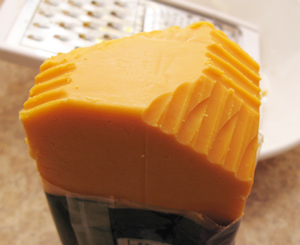
Cheesy Math – No, Really. Math & Cheese!
I saw some math questions in the cheese I was grating. Volume comparisons, shapes and angles are all at work in a simple block of cheddar.
-
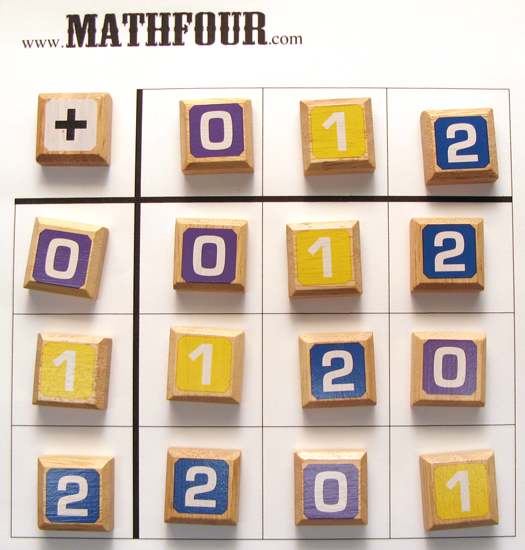
Playing with Algebra Concepts
Introduce your children (and yourself) to the commutative and associative properties by starting with some fun toys. Get crazy and get weird!
-

A Mathematical Proof of Creationism
There’s really only one way to prove creationism. And it doesn’t involve science (because really, there’re not real proofs in science).
-
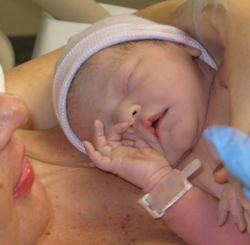
9 Ways Teaching Math is Like Giving Birth
I’ve been thinking about all the homeschooling moms who are teaching math. This is similar to something they’ve already done – given birth!

About MathFour.com
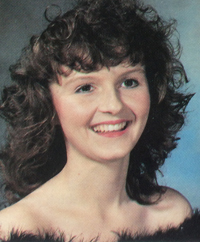

I’m Bon Crowder and the photos above are both of me – in 1989 and today. I’m a Generation X mom of Generation Z kids. I began peer tutoring in high school in 1984.
MathFour.com is the “today” version of me helping peers be comfortable in math. If you’re a Gen-X parent, you’re in the right place!
Wanna connect? Give me a call at 713-557-8048.