Tag: multiplication

  • How to Teach Division in the Sandbox

    How to Teach Division in the Sandbox

    Need to offer a better way to understand the concept of division and remainders? Try it in the sandbox!

    The Discovery Toys  are proportional, so they allow a really engaging way to see how division and remainders work.

    This video shows how you can help kids put together the numbers 9, 4 and 1 to “see” division at work:

    You can also do this in the bathtub or pool. And the are perfectly weighted and “massed” so they float.

    I think this has something to do with “water displacement,” but I’m not sure. I’m a mathematician, not a physicist. 🙂

  • Using Toys as Curriculum Tools to Teach Arithmetic

    Using Toys as Curriculum Tools to Teach Arithmetic

    Want to give your kiddos a jump start on multiplication and division? What to help the ones struggling with division to grasp it better?

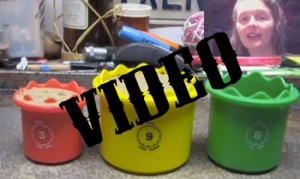
    The Discovery Toys Measure Up Cups can do just that. They are built as a curriculum tool, in the proper ratios, so that the #6 cup holds exactly twice as much as the #3 cup. This allows for engaging and beneficial play that gives kids a grasp on how numbers relate to reality.

    For example, in this video, kids can compare the numbers 3, 6 and 9 to see how they relate:

    You don’t have to say out loud, “three plus 6 is 9” or, “9 divided by 6 is one with three left over.” But these concepts are ingrained into the child’s brain as they see this work.

    What do you think?

  • How to Use Prime Factoring to Win Friends and Influence People

    How to Use Prime Factoring to Win Friends and Influence People

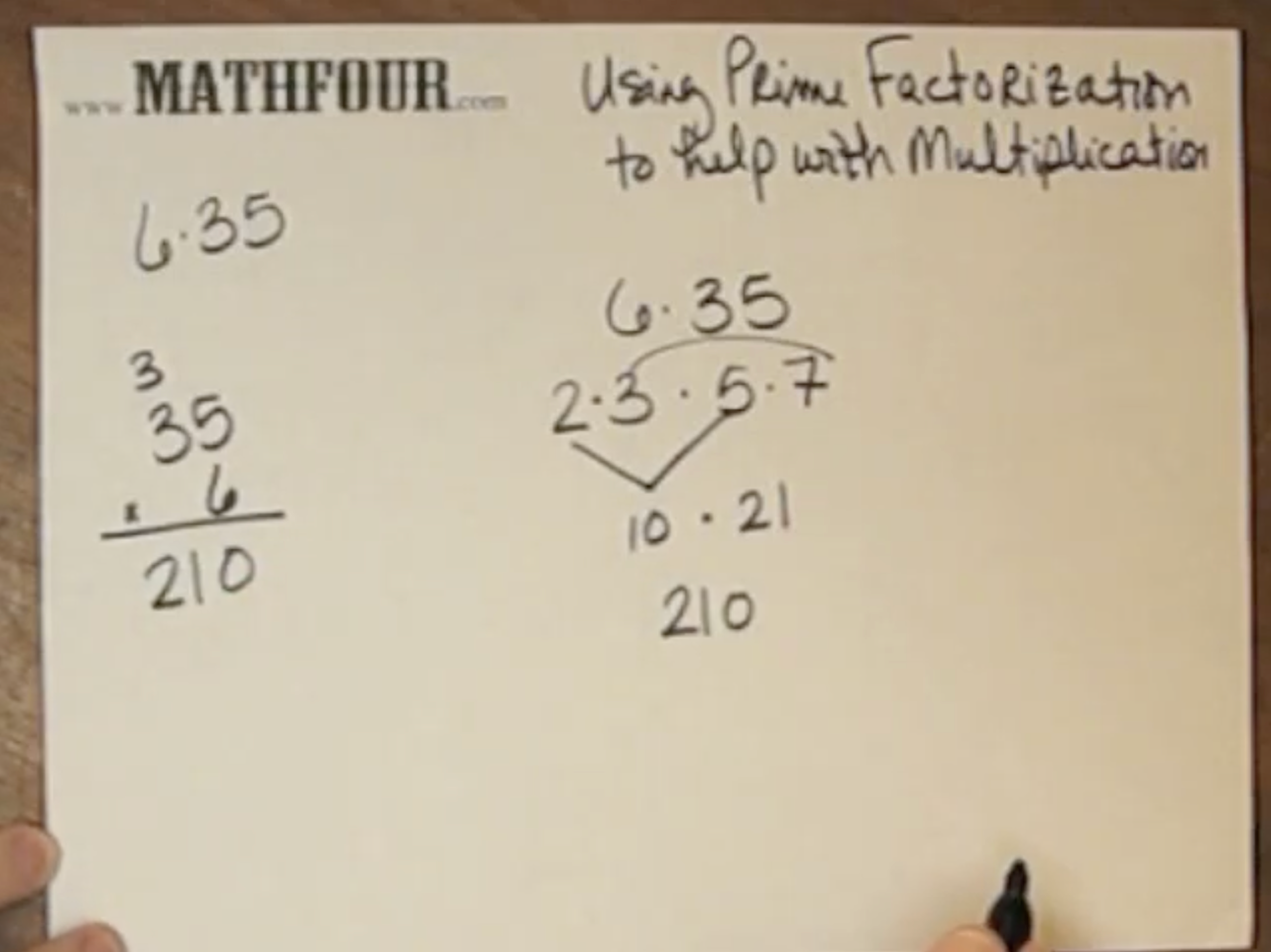
    Alright, you might not win friends with this, but the more you can do arithmetic in your head… well… okay, you can’t influence people with it either. Regardless, it’s handy to know and helps with multiplication.

    Yesterday I posted a couple of videos about factoring numbers into primes. Now it’s time to put those to work.

    How about a rather simple one to get us started:

    Here’s one that’s a little more challenging. The key is that you can combine the bits to something you’re more comfortable doing. I don’t like multiplying nines, so I avoid those.

    Can you use this? Why or why not? Ha ha, just kidding – no essay questions here! – but if you do find a use for this, or if this annoys you, let me know in the comments.

  • How and When You Can Manipulate Square Roots

    How and When You Can Manipulate Square Roots

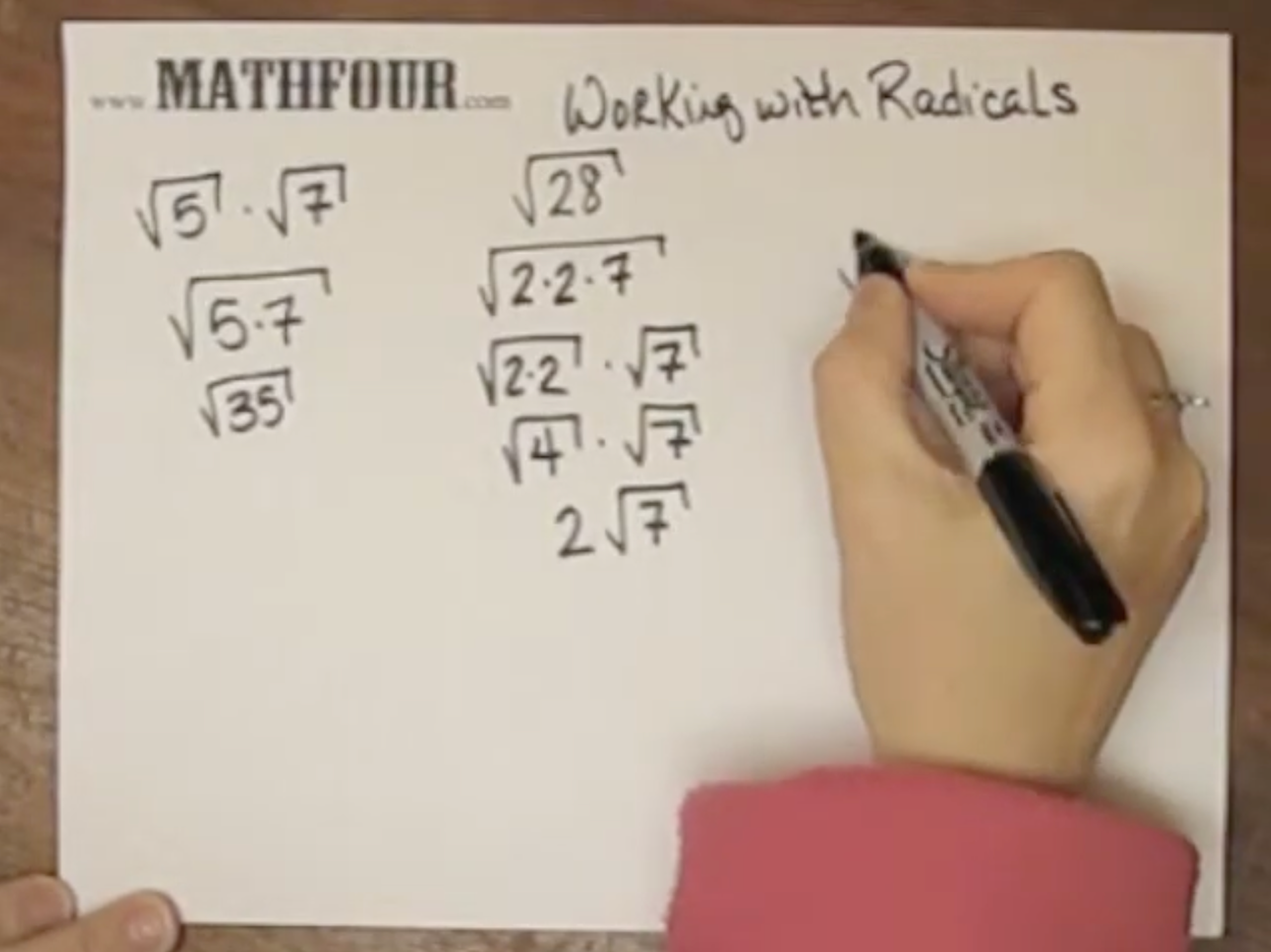
    Square Roots (aka radicals) are part of the multiplication world. They have the same properties, but because they look weird – living in little “houses” – it is hard to grasp what they can do.

    This is how the “houses” (the radicals) can “move”:

    After that, you can work with multiple radicals:

    It is important to note that this little trick works because it’s all multiplication, division and roots. If you have addition or subtraction in there, you’ve got yourself a challenge. Watch this to see how to deal with addition in the mix:

    Thanks to jrobbo at MyMathForum.com for the inspiration for this post.

  • Those Pesky Exponents – How to Distribute Exponents over Multiplication

    Those Pesky Exponents – How to Distribute Exponents over Multiplication

    Remember that you can distribute multiplication over addition? You can also distribute exponents over multiplication.

    Here’s how and why it works:

    And here it is written out “long ways” for an algebra problem. Remember, you can use the short version. I do the videos with the long version to help you remember why it works.

    Have any questions? Post them in the comments!

  • How to Multiply By Hand Without Hurting Your Brain

    How to Multiply By Hand Without Hurting Your Brain

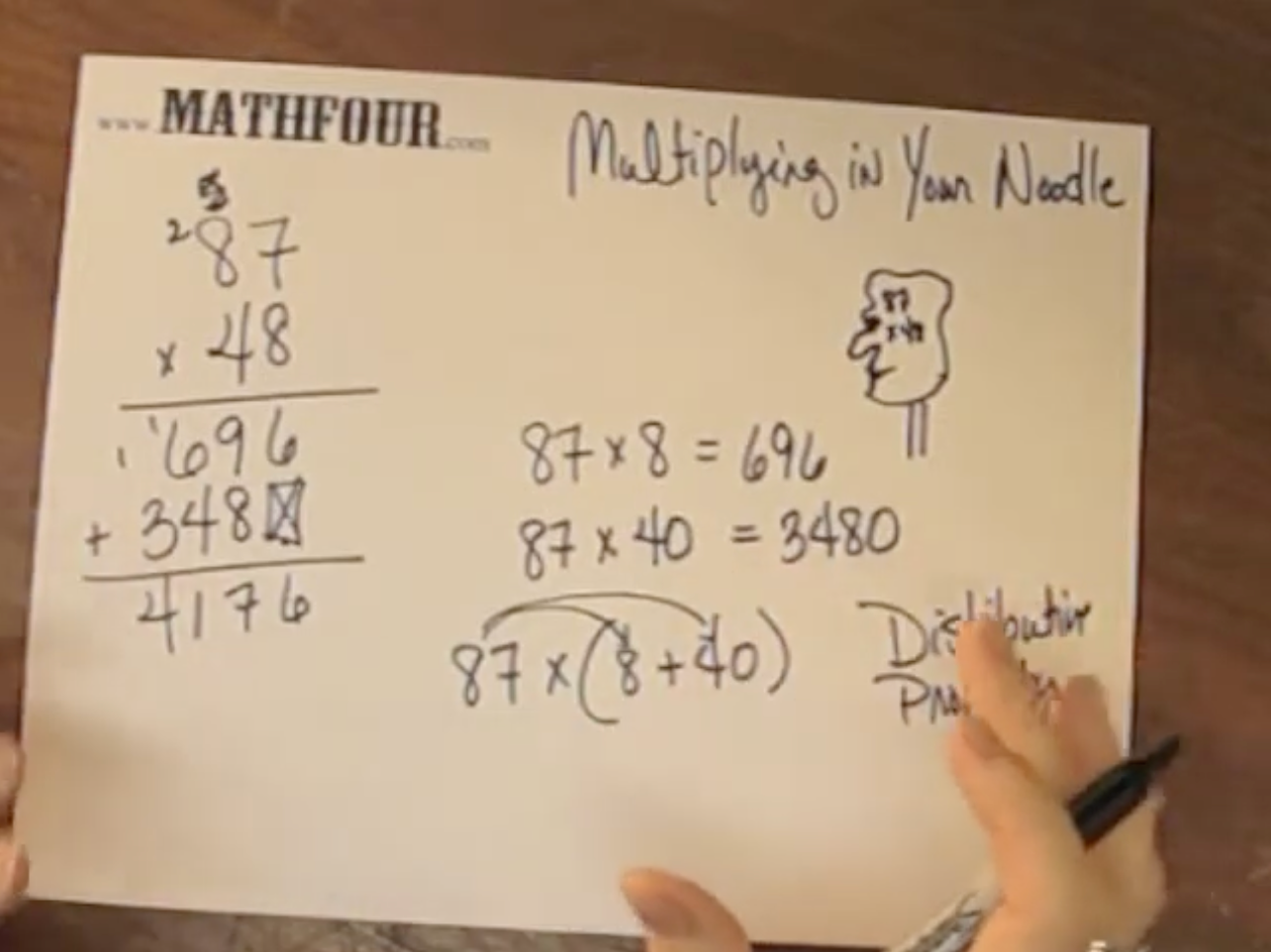
    There’s an amazingly fancy tool that I began discussing in the last post. This D-word probably has been a close friend of yours for a while. It’s likely you’ve used it before and just didn’t realize it.

    Well, now you can give it a name and give it some practice. It’s the Distributive Property.

    Fancy name. Fabulous friend.

    Check out what’s really going on with  87 x 48 here…

    That one you can do quickly with pencil and paper. Here’s an easier one that you are more likely to do in your head (after practice with P&P of course)…

    Have you done this before? Share your stories in the comments.