
Tag: real world

  • FIAR: Snowy Evening Math Photos

    FIAR: Snowy Evening Math Photos

    This post originally appeared on The HSBA Post on January 26, 2012.

    Robert Frost’s Stopping by Woods on a Snowy Evening is a curious poem – challenging for grownups and particularly interesting for kids.

    I’m keen on looking for math in our FIAR books, but this time I’m thinking about doing some math in a new way. There’s math in poetry – tons of patterns with the iambic pentameter and such. But this picture book took a short poem (it’s only 16 lines) and added illustrations to give it that extra touch.

    Illustrations… hmm…

    There’s a classroom teacher who created a math assignment around photography. What a cool project for homeschool families; you can make it as strict or as loose as you want.

    He blogged all about the process, including the challenges and results,which makes modifying it for homeschool super easy and fun!

    Snowy Evening Math Photos

    If you have snow around, use the beautiful images in Stopping by Woods on a Snowy Evening to inspire a photo field trip in the neighborhood. Use the assignment and rubric from the above links or just go with the flow. Encourage your children to look at the world with math eyes!

    I live in Houston, where it snows once every nine years. So I had to depend on Flickr for these examples.

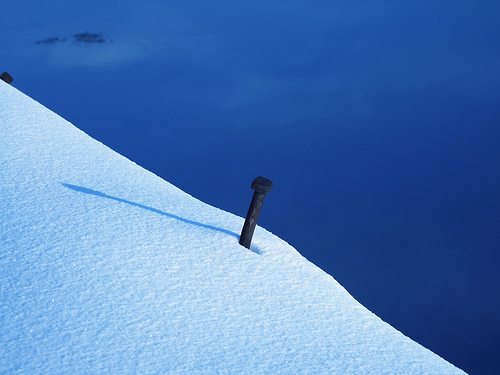
    Abstract, curious, math-y!

    There’s some fun math in the angle of the snow, and also in the shadow in this pictures. It makes me wonder if the camera is tilted or if the snow is on a hill. Click on the image to get some math thoughts from the photographer.
    nail in snow
    by windiepink | Flickr.com | CC BY

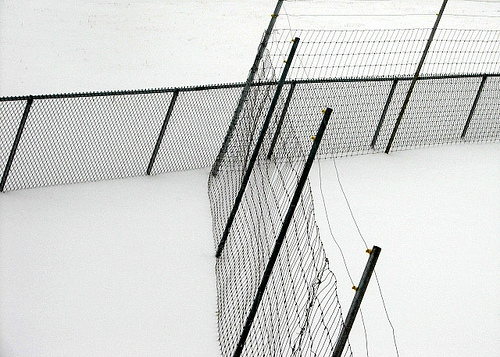
    Mr. Rene’ Descartes would love this one!

    Lots of snow, but also some coordinate plane stuff here:
    by Jan Tik | Flickr.com | CC BY
    by Jan Tik | Flickr.com | CC BY

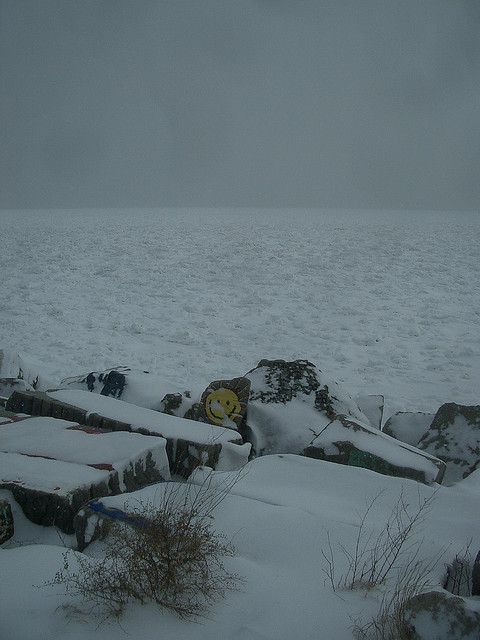
    Blocks and smiley faces!

    These look like snow covered blocks – big ones! Fancy math term: rectangular parallelepiped. (Get your two year old to say that – it’s SO cute!)
    by plizzba | Flickr.com | CC BY
    by plizzba | Flickr.com | CC BY

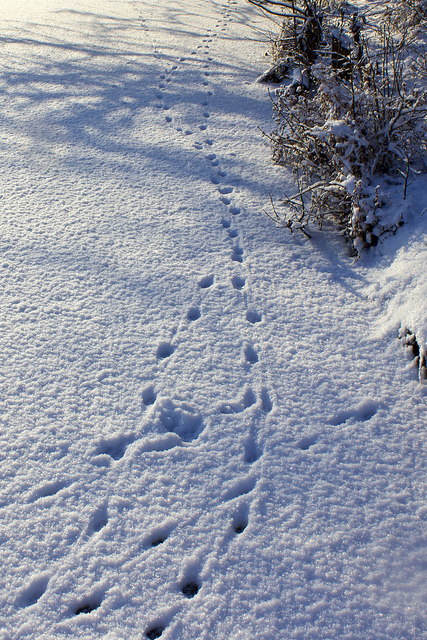
    Graphing animal tracks is fun!

    You know how you put a bunch of dots on a grid and then connect them? That’s graphing in math. That’s what these animal tracks look like! Incidentally, this photo is from my favorite Flickr person who has a great collection of math photos!
    by woodleywonderworks | Flickr.com | CC BY
    by woodleywonderworks | Flickr.com | CC BY

    What do your photos look like?

    What kinds of math do your kids see in the snow or other weather you might have? Share the links and their thoughts in the comments!


  • How to Use a Student’s Experiences to Teach Math – The Story of a Former Drug Dealer

    How to Use a Student’s Experiences to Teach Math – The Story of a Former Drug Dealer

    A quarter pound of drugs is 1/4 of a pound!

    Do you have an especially difficult student? Does one kid stand out as just not getting it?

    The answer lies not in your approach, but in their perception of their own capabilities.

    My Former Drug Dealer Student

    I was teaching Oilfield Math at a large oilfield services company to a group of new hires. One guy had particular difficulty.

    Because I set myself up as approachable, he came to me to explain his plight. He was an ex-con and had spent 10 years in prison for drug dealing.

    As soon as I heard this, I knew my way in. I watch much more drug-related TV that I should, so I knew that fractions were involved in drug dealing.

    I asked him to explain some of the prices and measurements. Since he would have to work against time calculating cost, weights and prices, he was exceptionally good at fractions.

    When I pointed out how good he was in math he was upset. “I’ve left part of my life behind me” he told me. “Yes,” I said, “but it shows that you could be just as good at legal fractions.” This Oilfield Math’s got nothing on drugs-on-the-street math.

    His life turned around that day.

    If you have a struggling student, find out where they already do math. Show them that they have the talent already. Let them see their abilities.